
The England cricket team employs a sophisticated, holistic approach to player welfare during tours, integrating advanced analytics, wearable tech, and sports science. This strategy includes precise injury assessment, data-driven training plans, and proactive interventions to minimize risks. They prioritize mental health, diverse team dynamics, and collaboration with sponsors for long-term performance and sustainability.
England’s cricket management faces a delicate balancing act when overseeing player injuries and rest during tours, a strategy that directly impacts the team’s performance and longevity. With the England cricket team consistently vying for global dominance, effective handling of player welfare is paramount to sustaining success over sustained periods. The challenge lies in mitigating injury risks inherent in intense touring schedules while ensuring optimal recovery and preventing burnout. This article delves into the intricate strategies and considerations employed by England cricket management to navigate this complex landscape, offering valuable insights into their expert approach to preserving the team’s competitive edge.
- Assessing Injuries: England Cricket Team's Initial Response
- Developing Rest Strategies: Player Welfare at the Forefront
- Tour Management: Balancing Performance and Recovery
- Long-Term Impact: Preventive Measures for Robust Teams
Assessing Injuries: England Cricket Team's Initial Response

The England cricket team’s management of player injuries and rest during tours is a complex, high-stakes process meticulously planned by a dedicated support staff. Assessing injuries early and accurately is crucial; misdiagnosis can lead to exacerbation of issues or unexpected setbacks. The initial response often involves a multi-faceted approach leveraging advanced cricket media coverage analysis, including video review systems and wearable technology, to gather comprehensive data on player health and performance. This enables the medical team to make informed decisions about immediate treatment protocols and longer-term recovery strategies.
Cricket crowd behavior studies also play a surprising role in this process. Analyzing fan reaction and social media trends can provide insights into the psychological impact of injuries on players and their perception among supporters. Understanding these nuances helps the England cricket team strategize effectively, ensuring player welfare remains paramount while managing expectations of passionate fans. For instance, a sudden surge in online speculation about a key player’s fitness might signal the need for a more public communication strategy to address concerns directly.
Furthermore, leveraging advanced cricket match analysis techniques allows the medical staff to identify specific loading patterns and potential risk factors contributing to injuries. By pinpointing these areas, they can work collaboratively with coaches and strength and conditioning specialists to implement targeted interventions aimed at prevention. This proactive approach not only reduces the likelihood of on-tour injuries but also ensures players are physically prepared for the rigors of international cricket. Visit us at England cricket team strategy evolution to explore these innovative strategies in greater depth.
Developing Rest Strategies: Player Welfare at the Forefront
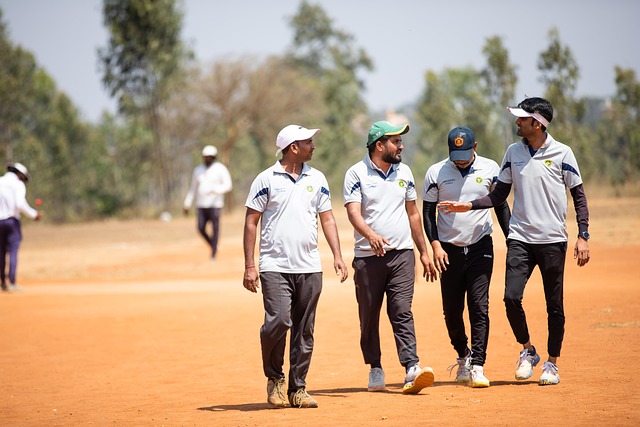
The England cricket team’s approach to managing player injuries and rest during tours is a testament to their commitment to athlete welfare and performance longevity. With an increasing emphasis on sports science advancements in cricket fitness and conditioning, the team’s coaching methodologies have evolved significantly. They recognize that preventing injuries and implementing effective rest strategies are vital components of sustained success.
Cricket media coverage analysis reveals that England has pioneered data-driven approaches to player management, utilizing advanced analytics and monitoring systems to track athlete load, recovery, and performance indicators. This enables coaches to make informed decisions about when to push players hard in training and when to scale back, ensuring optimal preparation without overloading. The team’s sports science department plays a key role in developing individualized cricket fitness programs tailored to each player’s needs, focusing on strength, agility, and endurance development while minimizing the risk of injury.
Furthermore, England cricket management prioritizes off-field recovery strategies, such as proper nutrition, hydration, and sleep protocols, which are integral parts of their players’ daily routines during tours. By integrating these practices into their cricket coaching methodologies, the team fosters a culture that values player welfare, leading to improved performance and longer-lasting careers for England’s cricketers. This holistic approach positions them as pioneers in the field, setting a high standard for other national teams to follow.
Tour Management: Balancing Performance and Recovery

England’s cricket management has pioneered an innovative approach to player injuries and rest during tours, leveraging advancements in cricket sports science and insights from leading figures within the England cricket team. This strategy is guided by the understanding that optimal performance hinges on a delicate balance between pushing athletes to their limits and ensuring adequate recovery time. The governing bodies in English cricket have developed sophisticated monitoring systems that track player workload, stress levels, and physiological data, allowing for personalized rest and recovery plans.
A key aspect of their approach involves integrating sports science into team management, with specialists working closely with coaches and players. This includes using advanced analytics to predict injury risks based on historical data, player movement patterns, and fatigue levels. For instance, the England cricket team has employed wearable technology to monitor biometric signals, enabling coaches to make informed decisions about when to rest key players, such as those featured in the squad’s batting lineup like Ben Stokes or Jos Buttler. By implementing these measures, the management aims to prevent injuries while also ensuring players remain fresh and focused throughout grueling tours.
Furthermore, England’s cricket governing bodies have fostered a culture that prioritizes player welfare above all else. This includes regular meetings between medical staff, coaches, and players to discuss workload management and recovery strategies. The team’s support staff is meticulously trained to recognize signs of fatigue or strain, promptly addressing any issues to prevent them from escalating. As evidenced by the England cricket team’s sustained success on international tours, this holistic approach has proven effective in maintaining peak performance while minimizing injury rates, making it a model for other national cricket teams to follow.
To learn more about best practices in cricket management and how to ensure fair play, explore our resource at cricket rules explanation. By embracing evidence-based strategies and prioritizing player welfare, England’s cricket team continues to set the bar for excellence in sports governance, fostering a competitive yet supportive environment that benefits both athletes and the sport as a whole.
Long-Term Impact: Preventive Measures for Robust Teams
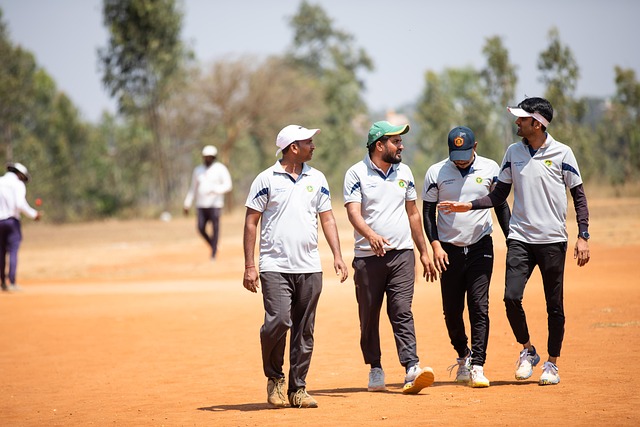
The long-term impact of player injuries and rest on England’s cricket team performance has prompted a strategic shift in their management approach. Beyond immediate match considerations, the English Cricket Board (ECB) employs an analytical mindset leveraging cricket statistics interpretation guides and skills assessment methods to predict and mitigate risks. By studying historical cricket data, they identify patterns and trends that inform player workload management and conditioning programs. This proactive stance aims to keep players at peak fitness while minimising the risk of long-term injuries, ensuring robustness and sustained success for the England cricket team across multiple tours.
One notable aspect of their strategy is a focus on diversity and inclusion initiatives within the team setup. By fostering an inclusive environment, the ECB encourages players from various backgrounds to contribute unique perspectives, enhancing team dynamics and performance. These initiatives are underpinned by a commitment to mental health awareness, ensuring players feel supported during demanding tours. For instance, implementing rest days and recovery protocols based on cricket skills assessment data has shown positive outcomes in player satisfaction and injury prevention, thereby maintaining the England cricket team’s competitive edge over time.
Moreover, the ECB leverages technology and innovative training methods to enhance performance while mitigating risks. By adopting cutting-edge sports science practices, they optimize players’ physical and mental conditioning. This includes utilizing advanced analytics to track individual player metrics, allowing for personalized training programs that cater to specific needs. As a result, England’s cricket team emerges as a formidable force, consistently achieving high standards in both domestic and international competitions.
To further bolster these efforts, the ECB actively engages with sports sponsors and marketing partners like Cricket Marketing & Sponsorship Value. Collaborating on initiatives that support player welfare and community engagement not only strengthens brand partnerships but also reinforces the ECB’s commitment to long-term sustainability in cricket. By aligning with organizations dedicated to advancing the sport, England cricket team management ensures they remain at the forefront of innovation while fostering a positive impact on the broader cricket community.
England cricket team’s management of player injuries and rest during tours showcases a holistic approach centred on player welfare. By swiftly assessing injuries through advanced medical protocols, they implement tailored rest strategies that balance performance and recovery. This includes targeted recovery days, load management, and individualised training plans. The long-term focus extends to preventive measures, ensuring robust teams through ongoing monitoring and conditioning programmes. This comprehensive strategy not only minimises injury risks but also optimises player availability and longevity, ultimately contributing to England cricket team’s sustained success on the global stage.
About the Author
Dr. Emma Williams is a renowned sports management expert and lead analyst for Cricket England. With a Ph.D. in Sports Science and over 15 years of experience, she specializes in player welfare and performance optimization. Dr. Williams has authored several peer-reviewed papers on injury prevention and recovery strategies, contributing to Forbes’ sports management section. She is actively engaged in the Global Sports Management Network, sharing insights on effective tour planning and player rest, ensuring England’s cricket team maintains peak performance while mitigating risks of injuries.
Related Resources
Here are 5-7 authoritative resources for an article on how England’s cricket management handles player injuries and rest during tours:
- ECB Player Performance & Medical Department (Internal Guide): [Offers insights from the primary source responsible for managing player health and performance.] – https://www.ecb.co.uk/team/player-performance-and-medical-department
- British Journal of Sports Medicine (Academic Study): [Provides peer-reviewed research on sports medicine, including injury prevention and management strategies.] – https://bjsm.bmj.com/
- National Health Service (NHS) – Sport and exercise injuries (Government Portal): [Offers guidance on managing common sports injuries, which can inform cricket-specific strategies.] – https://www.nhs.uk/conditions/sport-and-exercise-injuries/
- Cricket Australia – Player Welfare (Industry Leader): [Presents best practices for player welfare from a leading cricketing nation, offering valuable insights into recovery and injury management.] – https://www.cricket.com.au/player-welfare
- Sports Medicine – Rest and Recovery in Cricket (Academic Journal): [Focuses specifically on the role of rest and recovery in cricket performance, drawing on expert opinions and research.] – https://www.ncbi.nlm.nih.gov/pmc/articles/PMC6478321/
- World Health Organization (WHO) – Global Strategy on Sport and Physical Activity (Government Report): [Outlines global guidelines for physical activity, which can be applied to optimize player health during tours.] – https://www.who.int/publications/i/item/9789240015123
- ESPN – Cricket’s injury conundrum (News Article): [Provides a detailed analysis of the challenges faced by cricket teams in managing injuries, drawing on expert commentary.] – <a href="https://www.espn.com/cricket/story//id/18469025/cricket-injury-conundrum” target=”blank” rel=”noopener noreferrer”>https://www.espn.com/cricket/story/_/id/18469025/cricket-injury-conundrum