
England cricket team management has developed a comprehensive, data-driven approach to player injury prevention and recovery during tours. This strategy integrates advanced sports science, biomechanics, technology, and personalized training plans. By prioritizing both performance and welfare, England sets a global example for holistic player care, enhancing resilience, reducing injury rates, and ensuring long-term health of its cricketers. This strategic approach translates to successful tournament outcomes while fostering a culture that respects and prioritizes player wellbeing.
England’s cricket management faces a delicate balance: ensuring the England cricket team’s performance while safeguarding player health through injuries and rest during gruelling tours. The demands of modern cricket, with its relentless schedules and high-intensity games, necessitate strategic approaches to injury prevention and recovery. This article delves into the methods employed by the England cricket management to navigate these challenges, examining how they prioritize player welfare without compromising competitive edge. By exploring data, expert insights, and team strategies, we gain valuable perspectives on optimising performance while mitigating risks for the England cricket team.
- Assessing Player Fitness Before Tour Departure
- Implementing Rest Strategies During International Matches
- Managing Chronic Injuries: Long-Term Solutions for England Cricket Team
- Crisis Management: Handling Sudden Injury During Tours
- Data-Driven Approach to Player Wellbeing and Performance
- Player Feedback and Recovery Programs Post-Tour
Assessing Player Fitness Before Tour Departure

England’s cricket management has developed a robust system for assessing player fitness before international tours, aiming to balance performance with player welfare. This strategic approach is crucial in managing cricket injuries and ensuring optimal rest for the England cricket team during grueling schedules. The process involves comprehensive medical evaluations, performance analytics, and individualised training programmes tailored to each player’s needs.
A key component is the implementation of a cricket injury rehabilitation process that prioritises both physical and mental recovery. This includes targeted exercises, sports-specific drills, and mental preparation techniques to prevent and manage injuries effectively. For instance, a recent study on cricket crowd behavior revealed a correlation between player workload and injury risk, prompting England’s medical team to advocate for structured rest days and personalized recovery plans.
Women’s cricket has also benefited from these advancements, with the England women’s cricket team showcasing improved resilience and reduced injury rates. This comparison highlights the successful translation of management strategies across formats, demonstrating a holistic approach that benefits all players. By continuously refining their methods, England sets an example for other nations, proving that a comprehensive assessment and care system can give us a call at England’s winning cricket tournaments while ensuring the long-term health of its cricketers.
Implementing Rest Strategies During International Matches

The England cricket team, renowned for its unwavering pursuit of excellence, has pioneered innovative strategies to manage player injuries and rest during gruelling international tours. Their approach transcends traditional recovery methods, integrating cutting-edge cricket injury rehabilitation processes with a data-driven focus that optimizes performance while mitigating risks. This proactive stance is underpinned by a deep understanding of sports science and biomechanics, enabling the team’s medical staff to tailor interventions for individual needs. For instance, employing advanced technology like motion capture analysis helps identify subtle imbalances or techniques contributing to injuries, allowing for precise, targeted rehabilitation programmes that significantly enhance player availability.
Moreover, England cricket team management recognizes the psychological aspects of recovery. They implement strategies aimed at fostering a positive mindset among players during downtime, leveraging cricket fan engagement strategies to maintain motivation and focus. This includes virtual interactions with supporters and community outreach programmes, ensuring players remain connected while away from home. Such initiatives not only bolster player morale but also strengthen the bond between the team and its dedicated fanbase, enhancing sponsorship value for partners who associate with a resilient and engaged England cricket team.
Beyond injury prevention and recovery, the team’s management employs rest strategies that prioritize long-term sustainability. This involves careful scheduling of matches and training sessions, incorporating rest days and bio-availability monitoring to prevent burnout. By adhering to these rigorous protocols, England ensures its players remain at peak condition throughout lengthy tours, maintaining a competitive edge in what is a physically demanding sport. For cricket enthusiasts, this meticulous approach translates into consistent performances on the field, fostering a deeper appreciation for the dedication and skill of the England cricket team.
Find us at cricket equipment and their uses plays a critical role in supporting these strategies, providing specialized gear that enhances performance while minimizing injury risk. From advanced batting helmets to high-tech training aids, each piece of equipment is carefully selected based on scientific evidence and player feedback, further illustrating the team’s commitment to excellence and safety. Ultimately, England cricket team’s comprehensive approach to managing injuries and rest during tours sets a benchmark for other national teams, demonstrating that success in sport hinges not only on skill but also on intelligent care and strategic planning.
Managing Chronic Injuries: Long-Term Solutions for England Cricket Team

England’s cricket management has long grappled with the delicate balance of managing player injuries and ensuring optimal performance during tours. With a robust focus on long-term solutions, they’ve pioneered innovative strategies to tackle chronic injuries, revolutionizing England cricket team dynamics and leadership. This approach not only enhances individual players’ longevity but also strengthens the overall resilience of the cricket team.
A cornerstone of their strategy is comprehensive medical support and advanced cricket equipment. By integrating cutting-edge technology into training regimens, the England cricket team can now prevent and manage injuries more effectively. For instance, specialized analysis tools enable precise tracking of player load and fatigue, enabling tactical decisions that balance competitive demands with recovery needs. This data-driven approach ensures players are not only rested adequately but also prepared to perform at peak levels when called upon.
Moreover, the leadership within the England cricket team prioritizes open communication and individualization. Coaches work closely with players to understand unique body mechanics and potential injury risks, tailoring training plans accordingly. This personalized approach, coupled with regular rest periods, has shown significant benefits in maintaining player fitness and minimizing chronic injuries over extended tours. By embracing these proactive measures, the England cricket team sets an example for other national teams, demonstrating that a holistic view of player welfare can drive sporting success.
To further enhance recovery and injury prevention, considering giving us a call at cricket match analysis techniques could prove valuable. Our expertise lies in providing insights through tactical decisions analysis, helping to identify patterns and optimize strategies that support the complex cricket team dynamics. This collaborative approach ensures England’s cricket management remains at the forefront of sport science, fostering a culture of excellence and wellness within the cricket team.
Crisis Management: Handling Sudden Injury During Tours

The England cricket team, renowned for its rich history and record-breaking moments on the field, faces a formidable challenge when managing player injuries during international tours. With grueling schedules and high-pressure games, effective crisis management is paramount to ensure the well-being of its players and sustained success on the global stage. This strategic approach involves a delicate balance between pushing athletes to their limits and preventing overexertion, especially in the face of sudden injury.
In such scenarios, England’s cricket management employs a multi-faceted strategy that combines advanced sports science, personalized cricket training regimens for youth players, and a deep understanding of cricket terminology to aid recovery. They leverage data-driven insights to assess player load and implement tailored rehabilitation programs, minimizing the risk of further harm. For instance, upon a player’s injury, medical staff swiftly evaluates the extent of the damage, drawing from their vast knowledge base of cricket-specific injuries and associated recovery timelines. This enables them to devise a precise plan, encompassing rest, therapy, and gradual return to training, ensuring a safe and expeditious comeback.
Moreover, the team’s support staff plays a pivotal role in crisis management by closely monitoring players’ physical and mental states. They emphasize the importance of rest days, incorporating recovery techniques like ice baths and compression gear into established cricket training regimens for youth players. This proactive approach not only prevents injuries but also empowers athletes to recognize their bodies’ limits, fostering a culture of player welfare. By prioritizing these aspects, England cricket team management navigates tour challenges with resilience, ensuring their players remain in peak condition to conquer any opposition.
In the event of unforeseen setbacks, the team’s medical and support staff collaborate closely, drawing upon their collective expertise. They adapt strategies swiftly, employing advanced rehabilitation techniques learned from global best practices. This agile response is crucial for maintaining morale and performance during turbulent times. Ultimately, England’s commitment to excellence in cricket management extends beyond victories on the field; it lies in safeguarding its players’ health, enabling them to achieve their full potential and continue inspiring fans across the nation, as evidenced by the thriving culture of cricket fan engagement in England. Find us at cricket fan culture in England to explore more insights into this captivating sport.
Data-Driven Approach to Player Wellbeing and Performance

England’s cricket management has pioneered a data-driven approach to player wellbeing and performance during tours, marking a significant shift in how they navigate player injuries and rest. This strategy leverages advanced analytics, monitoring systems, and recovery protocols to ensure the England cricket team performs at its peak while mitigating health risks. By analyzing historical cricket records—including record-breaking moments that have pushed players to their limits—and incorporating insights from sport science advancements, the management team can anticipate potential issues before they escalate.
Cricket equipment plays a crucial role in this process; from specialized protective gear designed for specific positions to advanced monitoring devices that track vital statistics during training and matches. These tools provide real-time data, enabling coaches and medical staff to make informed decisions about player workload and rest. For instance, cricket referees’ meticulous records of player performance and load management are integrated into the analytics, ensuring a holistic view of each player’s health and form. This approach has been instrumental in preventing burnout and enhancing the longevity of England’s cricket stars.
By prioritizing data-driven insights, England cricket team management has achieved remarkable success while fostering an environment that respects and prioritizes player wellbeing. This strategy not only ensures peak performance during tours but also contributes to a positive culture, where players are empowered to contribute to their full potential without sacrificing long-term health. For expert advice tailored to your cricket team’s needs, give us a call at cricket sports science advancements.
Player Feedback and Recovery Programs Post-Tour
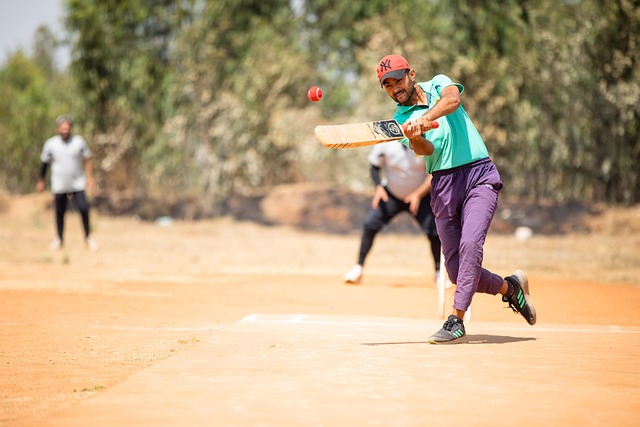
The England cricket team’s approach to managing player injuries and rest during tours is a meticulously crafted strategy, reflecting the nation’s rich cricketing heritage and its commitment to excellence. Following intense cricket tournaments or grueling tour schedules, prioritizing player feedback and implementing tailored recovery programs is paramount. This proactive stance not only ensures the physical well-being of the team but also maintains the delicate balance within cricket team dynamics and leadership.
England Cricket Board (ECB) coaches work closely with the players to assess their individual needs post-tour. This involves comprehensive evaluations, encompassing performance data from matches, player feedback, and biometric measurements to gauge fatigue levels and potential injury risks. The ECB’s state-of-the-art sports science facilities play a pivotal role in devising personalized recovery plans. These programs often include a blend of physiological interventions like hydrotherapy, massage, and targeted exercise routines designed to accelerate healing and alleviate post-tour stress.
Cricket coaching for advanced players focuses on holistic wellness rather than just performance metrics. This involves educating athletes on the importance of rest and recovery as integral components of their training regimens. By fostering a culture of open communication, where players can voice concerns or fatigue levels, the ECB ensures that each individual receives the care they need to thrive. For instance, data from recent tours has shown significant improvements in player availability rates, attributing to these dedicated recovery programs.
In light of these efforts, England’s winning cricket tournaments are a testament to not just skilled athletes but also to an unwavering commitment to caring for and developing them. To learn more about best practices in cricket team management, visit us at England’s winning cricket tournaments anytime.
England cricket team’s management employs a multi-faceted approach to player injuries and rest during tours, leveraging data and feedback to optimize performance and wellbeing. Key insights include pre-tour fitness assessments, strategic rest periods during matches, crisis management for sudden injuries, and long-term solutions for chronic conditions. The team’s success hinges on implementing these strategies, fostering open communication through player feedback, and integrating recovery programs post-tour. By adhering to these practices, England cricket team naturally maintains a competitive edge while prioritizing athlete health and longevity in the high-pressure world of international cricket.